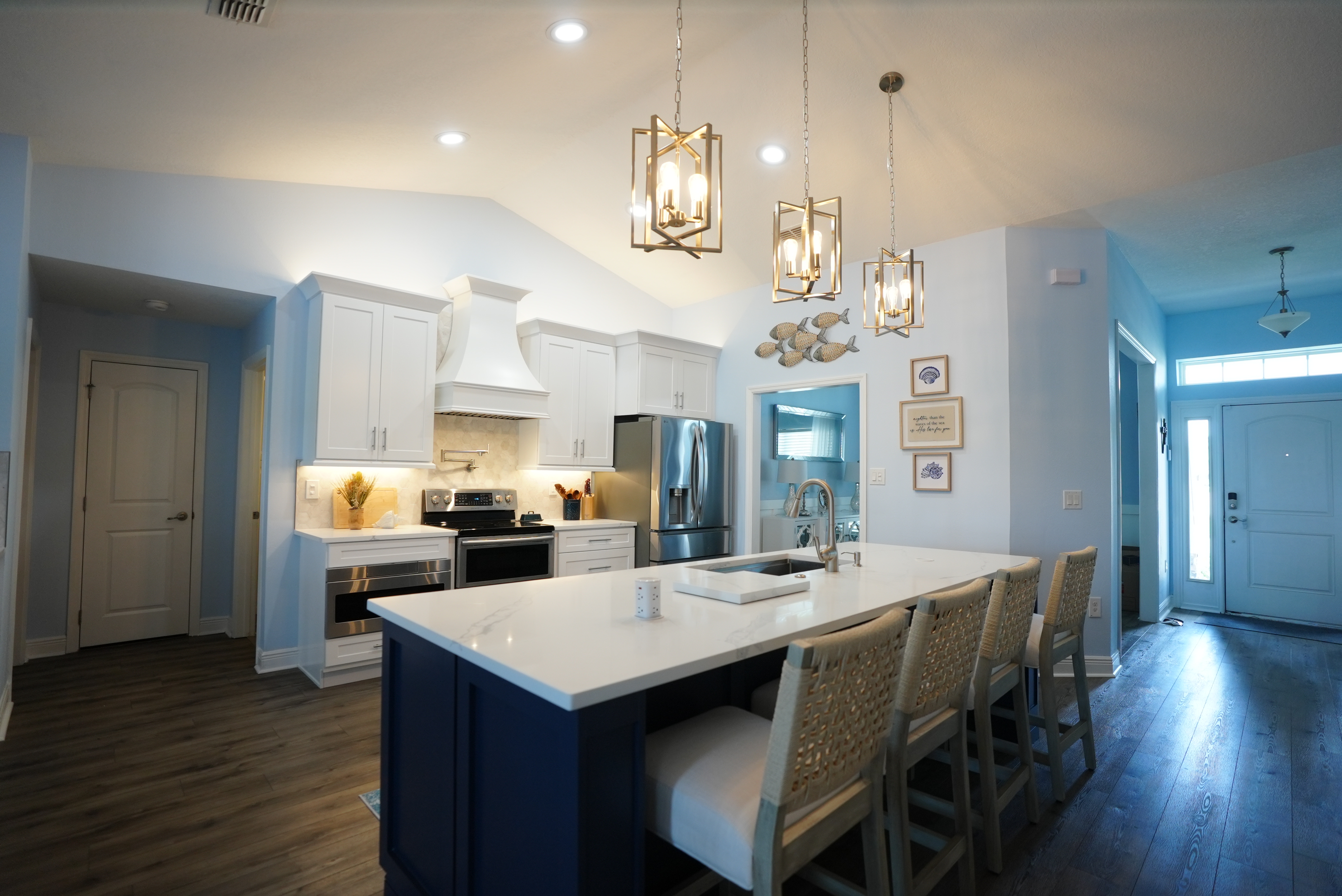
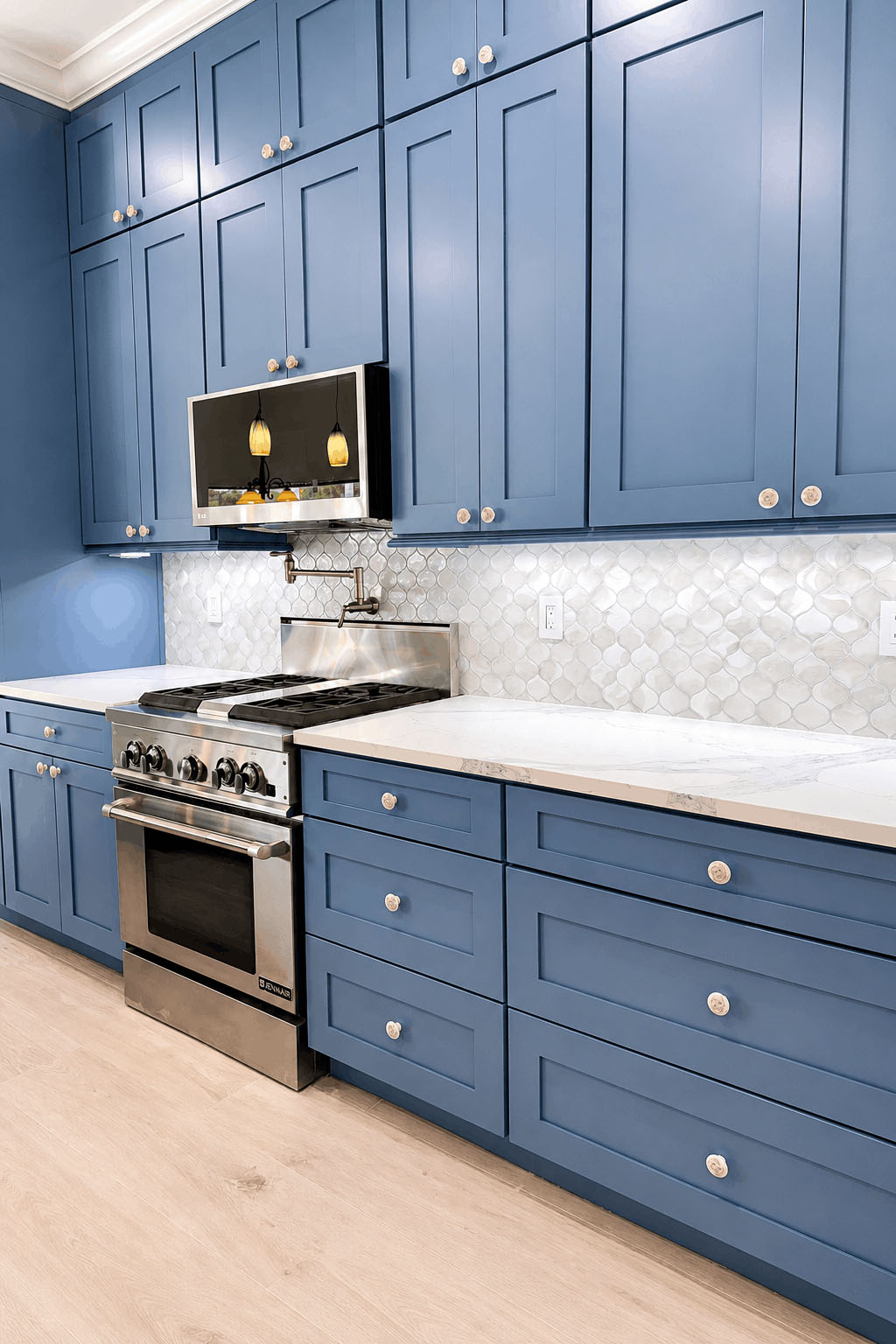
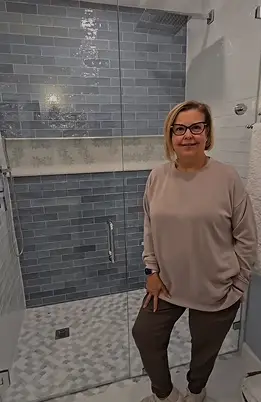
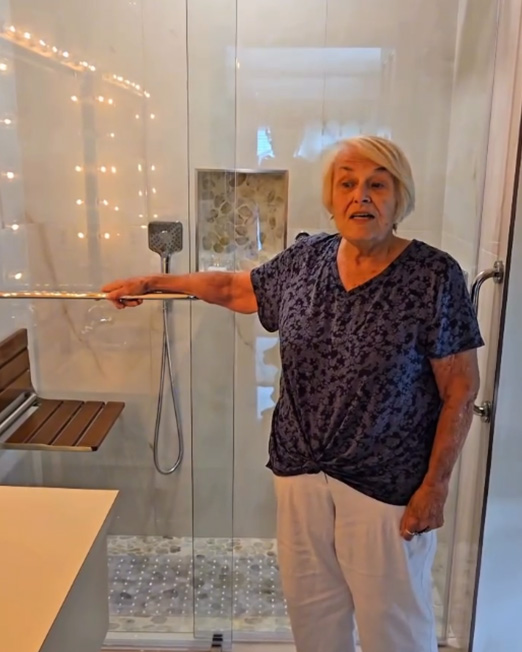
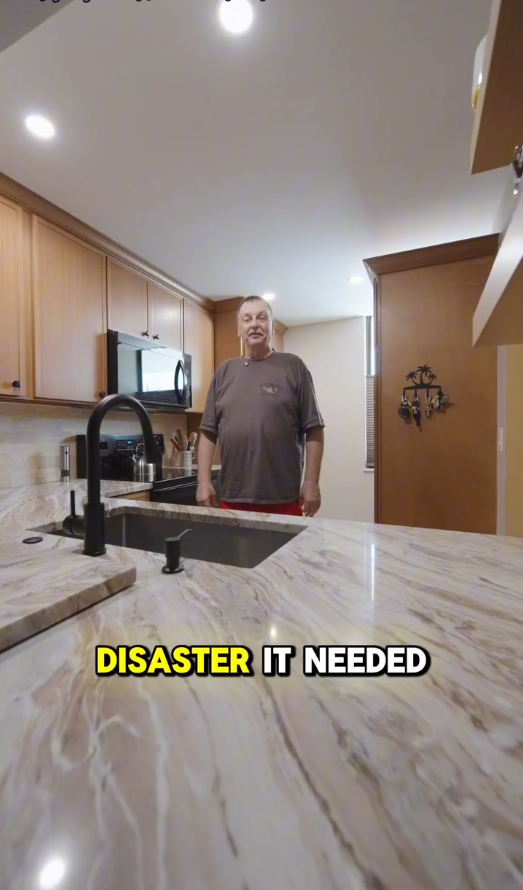
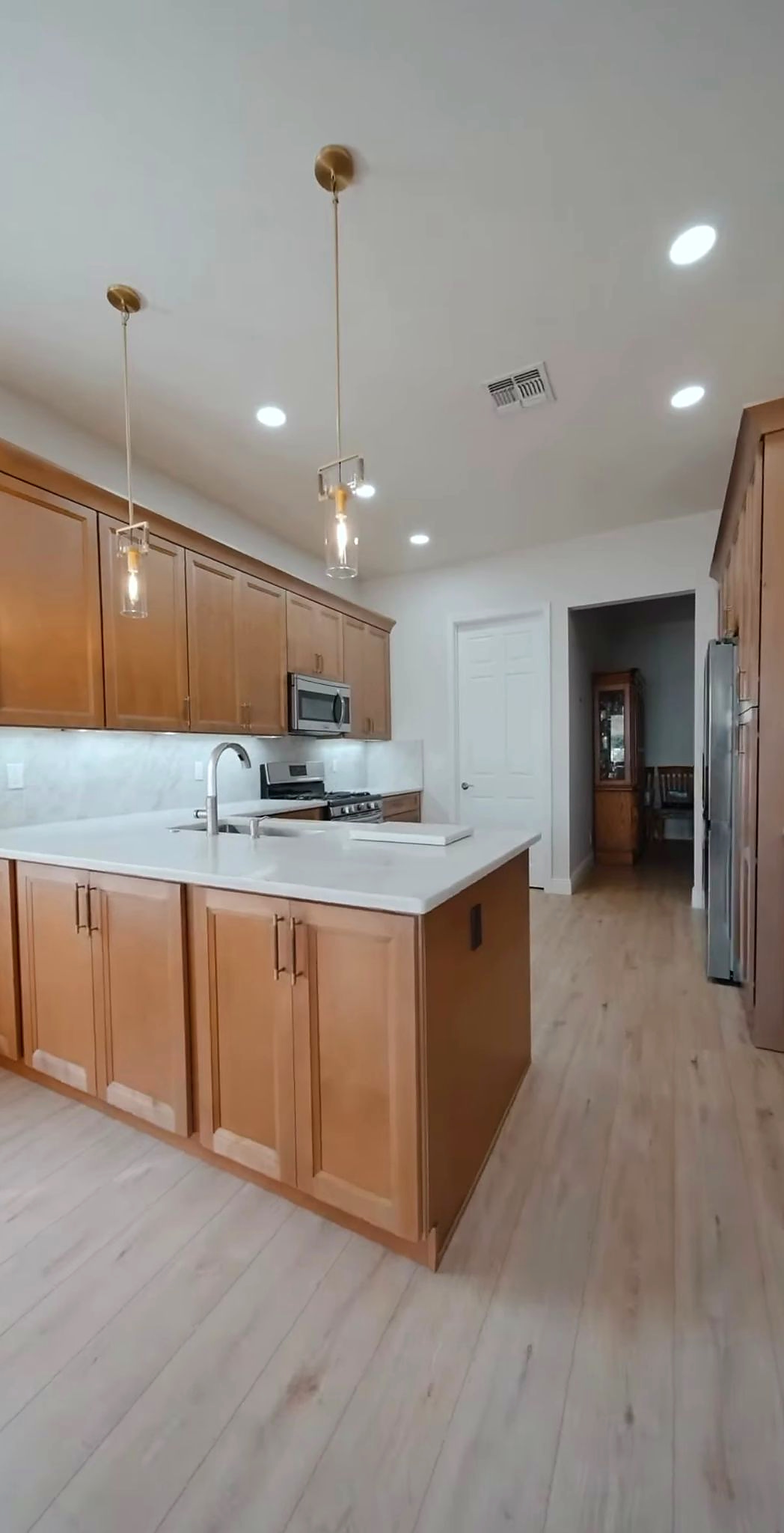
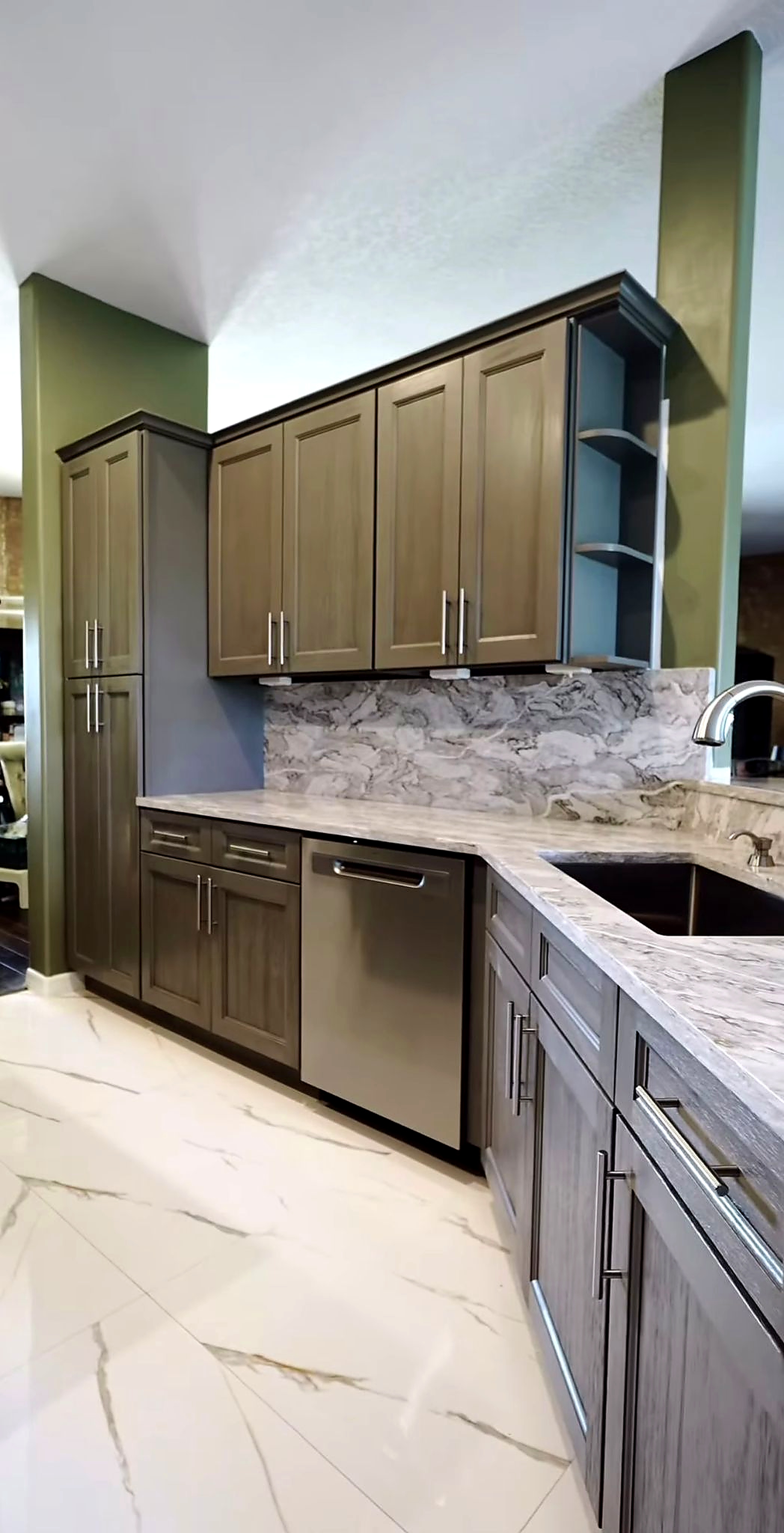
Before tearing anything out, we’ll look at what the project actually involves. That means considering the existing layout, plumbing and electrical systems, the condition of the space, and any changes you’re hoping to make. In a condo, those conversations are especially important because some systems may be shared with other units.
Your association may also have its own rules about construction hours, flooring, contractor access, parking, elevators, debris, and which materials can be used. Getting those details sorted out early can save you from choosing a material or setting a schedule that the building won’t allow.
Fort Pierce adds another consideration: the coastal environment. Humidity, salt air, and strong storms can affect materials even when you’re remodeling the interior. We’ll help you choose finishes that make sense for the space and the conditions around it, including flooring, cabinetry, doors, and windows where applicable.
We partner with Hearth to provide flexible financing so your remodel doesn’t have to wait.
Example payments only — not a cost estimate
Find answers to common questions about condo remodeling, association requirements, permits, and renovations in Fort Pierce, FL.
Many condo associations require written approval before any renovation work begins. The requirements vary by building, so it’s important to review your association’s rules before purchasing materials or scheduling construction.
It depends on the association and the project. Some approvals may take a few weeks, while larger or more involved renovations can require additional review. Building this time into your schedule can help avoid a last-minute delay.
Some do. Electrical, plumbing, structural, HVAC, and other significant changes may require permits under applicable Florida and local building requirements. The scope of your project will determine which permits and inspections are needed.
Possibly, but check your association’s flooring requirements first. Condos may have specific sound-transmission standards for hard flooring, including STC and IIC ratings. The required underlayment can be just as important as the flooring itself.
Noise travels more easily between connected units than it does in a detached home. Flooring systems that meet the building’s sound requirements can help reduce the amount of impact and airborne noise reaching the unit below.
Yes. Condo remodeling can include kitchen and bathroom renovations, cabinetry, countertops, flooring, doors, tile, fixtures, and other interior improvements. We’ll look at the existing space and building requirements before determining the scope of the work.
It can. Condos may have plumbing, electrical, or other systems that connect multiple units. That makes it important to understand what can be changed within your unit and what may involve the building or common elements.
Florida’s building requirements include wind and hurricane-related standards, and individual condo associations may have additional requirements for windows, doors, and other components. Any changes to exterior or impact-rated elements should be reviewed before work begins.
Salt air, humidity, and storms can be hard on certain materials. Choosing finishes that can handle the local environment is especially important in Fort Pierce. The right materials can help reduce premature wear and keep the finished space looking good longer.
Windows and exterior doors may be subject to both building requirements and association rules because they can affect the building envelope. Impact resistance, appearance, installation requirements, and approvals may all need to be considered before making changes.
It’s sensible to leave some room in the budget for surprises, particularly in older properties. Once walls or floors are opened, you may discover conditions that weren’t visible beforehand. The right contingency depends on the project, but setting aside an additional 10–20% is commonly recommended.
Requirements vary, but an association may ask for the renovation plans, written approval, permits, contractor licensing and insurance information, and other project documents. It’s best to get the building’s checklist before construction is scheduled.
Start by looking for businesses that provide clear estimates and explain what the project includes before work begins. An affordable remodel isn’t necessarily the one with the lowest initial price; a detailed scope can make it easier to compare costs and avoid surprise charges later. It’s also worth checking that the contractor is properly licensed and insured and has experience with condo renovations.